
Global Insights from the Logistics Industry
Most people look at the freight industry as something that is simply operational or tactical, and buried deep within the supply chain. HTR Logistics takes a step back and views freight through an economist’s lens, we see freight as being one of the most powerful, real-time indicators of global economic health.
When consumer trends change the freight market is the first to react. Trucks sit or move, rates rise or collapse, contracts are renegotiated, and capacity starts to tighten or evaporate. If you know how to read these economic indicators, you can see where the economy is headed months in advance.
Why Freight Is an Early Economic Indicator
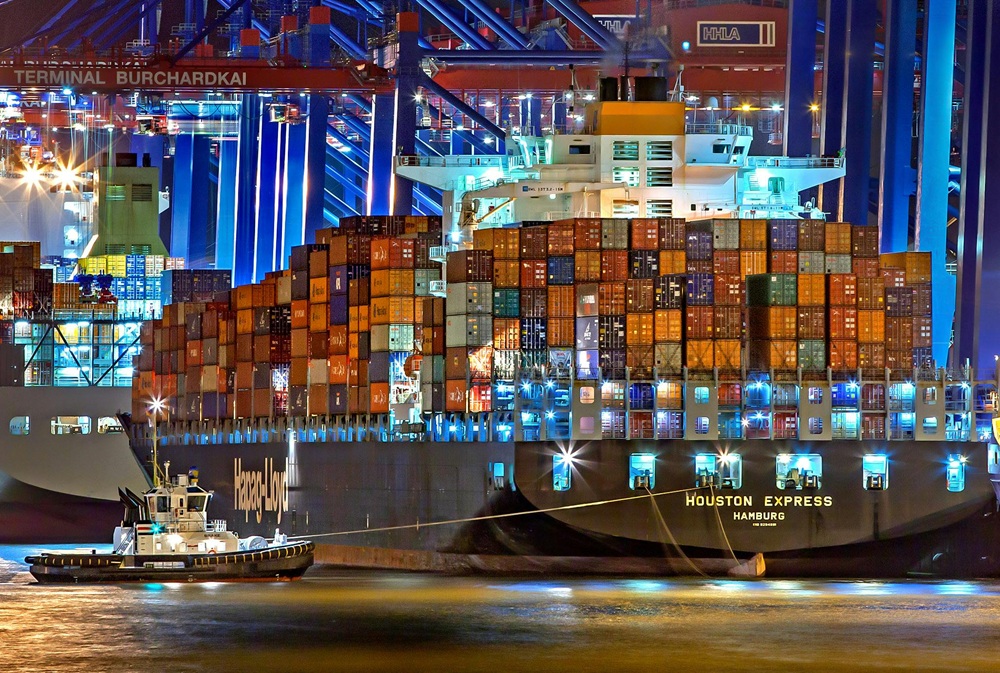
Imagine freight as the circulatory system of the global economy. Every product, raw material, or finished good touches the logistics industry through a truck, train, ship, or plane before reaching the consumer. When freight moves, the economy breathes and when it starts to slow down it’s often the earliest sign that something in the system is shifting. Learn more about these indicators and how they tell the story of global trade before most people even realize it.
Spot Markets
Economists often track spot market trends in economic factors such as; retail sales, manufacturing output, and consumer spending data. Spot rates represent immediate, transactional pricing and because spot rates swing quickly, they show shifts in real-time:
- When Spot Rates Are Rising this signals a tightening capacity and stronger demand.
- When Spot Rates Are Falling this is indicating a surplus of capacity and weakening demand.
Contract Rates
Contract rates will start to move slowly reflecting the confidence level between shippers and carriers. As their confidence levels fluctuate they rely on past experience and act accordingly.
- When shippers raise contract rates, it is telling us there is; a consistent demand, an expectation for a tighter future capacity, and willingness to secure long-term stability even at higher costs.
- When contract rates fall, this signals that; shippers expect continued soft demand, carriers are competing aggressively for freight and companies are prioritizing cost containment due to macro uncertainty
Carrier Capacity
Freight capacity expands when the economy is strong and freight rates are high. Carriers are adding trucks, hiring drivers, and investing in equipment when they believe the market will reward them. But when the economy weakens: truck exits accelerate, bankruptcies increase, drivers migrate out of the industry, and fleet sizes contract.
Carrier capacity is also impacted by:
- Credit markets: rising interest rates start to force smaller carriers out.
- Fuel volatility: unstable fuel costs squeeze margins and distort capacity faster than demand data shows.
- Regulation & compliance pressures: which thin out marginal carriers.
Looking At Freight Through An Economic Lens
While most Logistics professionals see trucks and loads, HTR Logistics sees signals and cycles. Freight is not only a transportation conversation, it’s also part of the economic narrative of the world. If you know how to interpret freight markets, you aren’t just predicting logistics you are also forecasting, the freight industry becomes a barometer of macroeconomic health.